Proudly serving Ponte Vedra, FL. and Surrounding Areas

Water Heater Making Noise? Here Is What Your Florida Home Is Telling You
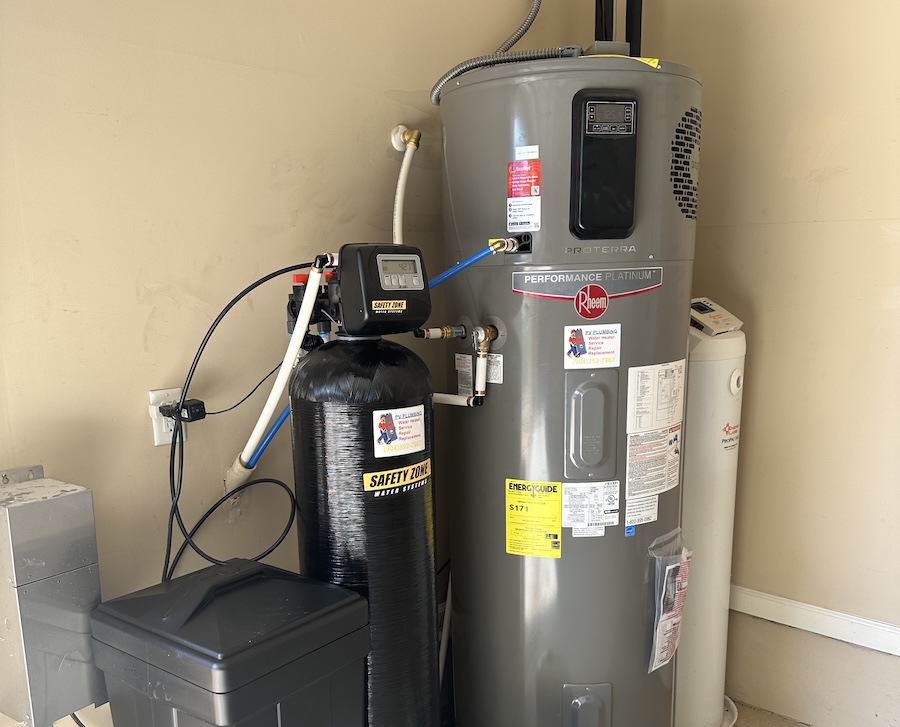
If your water heater is making noise, popping, rumbling, crackling, or ticking, it is trying to tell you something, and in Northeast Florida the message is often about hard water. This guide is written for homeowners in Ponte Vedra, Jacksonville, Nocatee, and St. Augustine who want to know what those sounds mean, which ones are harmless, and which ones signal a problem worth fixing now. As water heater specialists, PV Plumbing diagnoses these noises every week, and we will help you understand what is happening inside your tank.
Key Takeaways
- Most water heater noise in Florida comes from sediment and scale caused by hard water.
- Popping and rumbling usually mean sediment buildup at the bottom of the tank.
- Ticking is often normal thermal expansion; screeching may point to a valve issue.
- Ignoring sediment reduces efficiency and shortens your water heater’s life.
- PV Plumbing offers flushing, repair, and replacement, all backed by an 8 year craftsmanship guarantee.
Why Water Heaters Get Noisy in Northeast Florida
Northeast Florida draws much of its water from the Floridan aquifer, which is naturally high in calcium and magnesium. That makes our water hard, often testing between 7 and 15 grains per gallon. The United States Geological Survey classifies water above 180 parts per million as very hard, a level parts of our region reach.
When hard water is heated, those minerals fall out of solution and settle as sediment and scale at the bottom of your water heater tank. Over time this layer grows, and it is the source of most of the noises homeowners hear. That is why water heaters in our area tend to get noisy faster than in soft water regions.
Decoding the Sounds Your Water Heater Makes
Different noises point to different causes. Here is how to interpret what you are hearing.
Popping or Rumbling
This is the most common complaint we hear in Florida. As sediment collects at the bottom of the tank, water gets trapped beneath it. When the burner heats that trapped water, it boils and forces its way through the sediment, creating a popping or rumbling sound, similar to a kettle.
Popping and rumbling almost always mean sediment buildup. It is not immediately dangerous, but it makes your water heater work harder, wastes energy, and shortens its life. Flushing the tank usually solves it if caught early.
Crackling or Sizzling
On an electric water heater, crackling can happen when the lower heating element becomes buried in sediment. On a gas unit, sizzling may indicate condensation dripping onto the burner. Either way, sediment is often involved.
Ticking or Tapping
A light ticking sound is frequently normal. It usually comes from thermal expansion as pipes and fittings heat and cool, or from heat trap nipples installed to improve efficiency. This type of noise is generally harmless.
Screeching or Whistling
A high pitched screech often points to a valve that is not fully open or to water being forced through a restricted opening. Check that the shutoff and temperature and pressure relief valve are functioning. If a whistling sound persists, it is worth a professional inspection.
Knocking or Hammering
A banging sound when you turn a faucet on or off may be water hammer, caused by pressure surges in the pipes rather than the water heater itself. This can often be resolved with a water hammer arrestor.
Here is a quick reference:
| Sound | Most Likely Cause | Urgency |
|---|---|---|
| Popping / rumbling | Sediment buildup | Moderate, flush soon |
| Crackling / sizzling | Sediment on element or condensation | Moderate |
| Ticking / tapping | Normal thermal expansion | Low |
| Screeching / whistling | Restricted valve or flow | Moderate, inspect |
| Knocking / hammering | Water hammer in pipes | Low to moderate |
Why You Should Not Ignore Sediment Noise
A little noise may seem harmless, but the underlying sediment causes real problems over time.
- Higher energy bills. Sediment forces the burner or element to work harder to heat through the layer, wasting energy.
- Reduced hot water. Sediment takes up space that would otherwise hold hot water, so you run out faster.
- Shortened lifespan. Overheating at the bottom of the tank stresses the metal and can lead to early failure. Tank water heaters last 8 to 12 years, and hard water pushes them toward the low end.
- Damaged components. A buried heating element burns out sooner, leading to repair costs.
Addressing the noise early with a flush is far cheaper than replacing a failed water heater.
How to Fix a Noisy Water Heater
The right fix depends on the cause. Here is what typically resolves each situation.
Flush the Tank
For popping and rumbling from sediment, flushing the tank is the primary solution. This drains the water and clears out the mineral buildup. In Florida’s hard water, we recommend flushing at least once a year. Our water heater services page explains professional flushing, which also lets us inspect the anode rod and valves at the same time.
Check the Anode Rod
The anode rod protects the tank from corrosion by sacrificing itself. In hard water it wears out faster. Replacing it on schedule can meaningfully extend tank life.
Descale a Tankless Unit
If you have a tankless water heater, scale builds up on the heat exchanger and can cause noise and reduced flow. Tankless units need annual descaling in hard water to stay efficient and keep their warranty valid.
Address Water Hardness at the Source
The best long term fix is to stop sediment from forming in the first place. A whole home water softener removes the minerals before they reach your water heater. Our water softener installation services protect not only your water heater but your fixtures and appliances too.
Know When to Replace
If your water heater is over 10 years old, noisy, and showing rust or leaks, replacement often makes more sense than repair. As authorized Rheem, Rinnai, and AO Smith providers, PV Plumbing can recommend and install the right unit, backed by our 8 year craftsmanship guarantee on labor, far beyond the typical 1 to 2 year warranty.
Frequently Asked Questions
Why is my water heater making a popping noise?
A popping noise almost always means sediment has collected at the bottom of the tank. When the burner heats water trapped under that sediment, it boils and pops through the layer. This is very common in Florida’s hard water. Flushing the tank usually resolves it if addressed early.
Is a noisy water heater dangerous?
Most noises, like popping and rumbling from sediment, are not immediately dangerous but do reduce efficiency and shorten the water heater’s life. Screeching from a restricted valve is worth prompt inspection. If you notice noise combined with leaking, rust, or a rotten egg smell, call a professional right away.
How do I stop my water heater from making noise?
Flushing the tank to remove sediment is the most effective fix for popping and rumbling. In Florida, flush at least once a year. Installing a water softener prevents sediment from forming in the first place, and for tankless units, annual descaling keeps them quiet and efficient.
How often should I flush my water heater in Florida?
At least once a year. Northeast Florida’s hard water causes sediment to build up faster than in soft water areas, so annual flushing is important to keep the unit quiet, efficient, and long lasting. Homeowners with very hard water or a large household may benefit from flushing more often.
Does a noisy water heater mean I need a new one?
Not necessarily. If the unit is under 8 to 10 years old, flushing and minor repairs usually solve the noise. If it is over 10 years old and noisy with rust or leaks, replacement is often the smarter investment. A professional inspection will tell you which path makes sense.
Quiet That Noisy Water Heater with Local Experts
When your water heater is making noise, it is usually Florida’s hard water leaving sediment behind, and the sooner you address it, the more you save on energy and repairs. Popping and rumbling call for a flush, tankless units need descaling, and a water softener stops the problem at its source. As Northeast Florida’s water heater specialists, PV Plumbing handles flushing, repair, and replacement, all backed by our industry leading 8 year craftsmanship guarantee. If your water heater is making noise, do not wait for it to fail. Call PV Plumbing at (904) 392-7967 or visit our contact page for a free estimate today.

Schedule your Worry-Free Service Today
Have the reliable plumbing pros at PV Plumbing service your home in Northeast Florida.