Proudly serving Ponte Vedra, FL. and Surrounding Areas

The Ultimate Water Heater Maintenance Checklist for Longevity and Efficiency
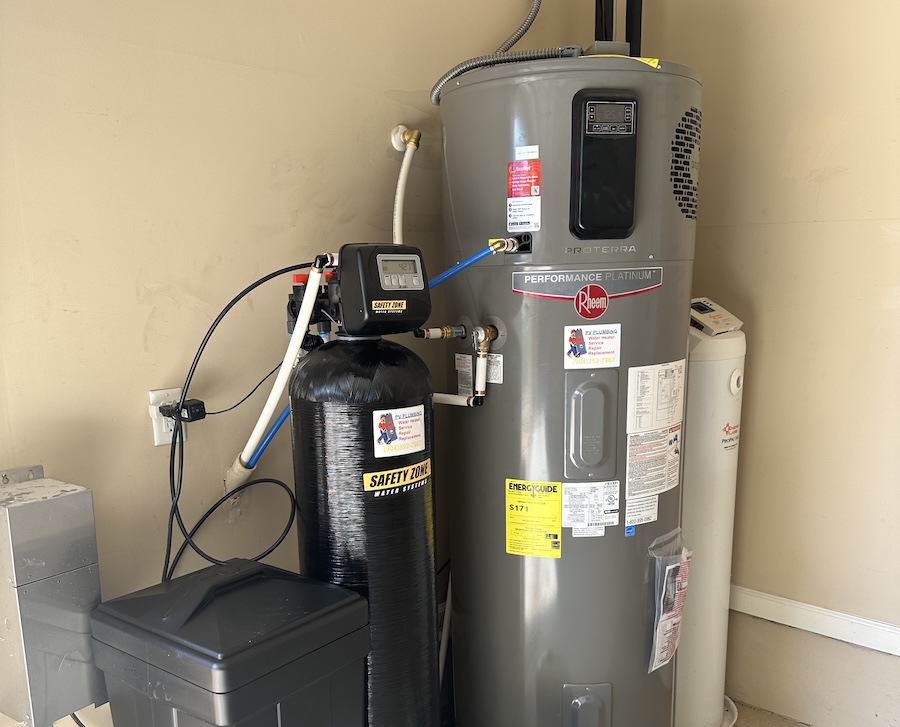
Your water heater is one of the hardest-working appliances in your home, quietly providing hot water for showers, laundry, and dishes every day. Yet, it’s also one of the most overlooked when it comes to maintenance. Without proper care, sediment buildup, corrosion, and wear can reduce your water heater’s efficiency and shorten its lifespan.
Whether you have a traditional tank model or a tankless system, regular maintenance is key to keeping your water heater running efficiently for years to come. Here’s the ultimate checklist to help you protect your investment and avoid unexpected breakdowns.
1. Inspect for Leaks and Rust
Start with a visual inspection around the base of your water heater. Look for any signs of water pooling, rust spots, or corrosion on the tank or connections. Even small leaks can indicate a failing seal or pressure issue that needs attention before it turns into a major problem.
If you notice rust-colored water coming from your hot water tap, it could mean the inside of your tank is corroding. In that case, it’s best to call a professional to determine whether a repair or replacement is needed.
2. Check the Temperature Setting
Your water heater’s thermostat should be set to around 120 degrees Fahrenheit. This temperature is ideal for comfort and safety while also preventing excessive energy use. Setting it higher can increase your utility bills and raise the risk of scalding, while lower temperatures may encourage bacterial growth in the tank.
If you have a tankless water heater, check the digital control panel to confirm the temperature setting and adjust as needed.
3. Flush the Tank Annually
Sediment buildup is one of the leading causes of water heater inefficiency and failure—especially in areas like Northeast Florida, where hard water is common. Over time, minerals settle at the bottom of the tank, insulating the heating element and forcing the system to work harder.
To flush the tank:
- Turn off the power or gas supply.
- Connect a garden hose to the drain valve at the bottom of the tank.
- Drain several gallons of water into a bucket or outside to remove sediment.
- Refill and restart the unit once the water runs clear.
If you’re not comfortable performing this task, a professional plumber can handle it safely and ensure the tank is thoroughly cleaned.
4. Test the Pressure Relief Valve
The temperature and pressure relief (T&P) valve is a critical safety feature that prevents your water heater from building up excessive pressure. To test it, place a bucket under the discharge pipe and carefully lift the valve’s lever. You should hear a rush of air or see water flow briefly before it stops.
If the valve doesn’t release water or continues to leak afterward, it needs to be replaced. A faulty T&P valve can be dangerous, so don’t ignore this step.
5. Inspect the Anode Rod
Inside your water heater tank is a metal rod called the anode rod, which protects the tank from corrosion by attracting minerals and impurities. Over time, this rod deteriorates and must be replaced to prevent the tank from rusting.
Check the anode rod every two to three years. If it’s less than half an inch thick or coated in calcium, it’s time for a replacement. This simple step can extend your water heater’s life by several years.
6. Check for Proper Venting
For gas-powered water heaters, proper ventilation is essential for safety and efficiency. Inspect the vent pipe to ensure it’s securely attached, free of obstructions, and properly angled to direct exhaust gases outside. If you smell gas or notice soot near the vent, turn off the unit immediately and call a professional.
7. Schedule Professional Maintenance
While many maintenance tasks can be done on your own, having your water heater professionally inspected once a year is the best way to catch potential issues early. A licensed plumber can check for leaks, test efficiency, clean internal components, and ensure everything is operating safely.
Keep the Hot Water Flowing
A little maintenance goes a long way in keeping your water heater efficient and reliable. By following this checklist, you can reduce energy costs, prevent costly repairs, and extend the life of your system.
At PV Plumbing & Air, we help homeowners in Northeast Florida keep their water heaters in top condition with expert maintenance, repair, and replacement services. Whether you have a traditional or tankless system, regular care ensures you’ll always have the hot water you need—without the unexpected surprises.

Schedule your Worry-Free Service Today
Have the reliable plumbing pros at PV Plumbing service your home in Northeast Florida.