Proudly serving Ponte Vedra, FL. and Surrounding Areas

Plumbing in Historic St. Augustine Homes: Old Pipes, Roots and Repairs

St. Augustine is the oldest continuously inhabited European-founded city in the continental United States, and many of its homes show their age below the floorboards. Houses in the historic district, Lincolnville, Nelmar Terrace and Fullerwood Park can have plumbing that is 60 to more than 100 years old, often patched by several generations of owners. If you own an older St. Augustine home, here is what to watch for and when to call a plumber.
PV Plumbing & Air’s service vans are based in St. Augustine, and we work on older homes across the city every week. You can learn more about our plumbing and HVAC services in St. Augustine.
Common Pipe Materials in Older St. Augustine Homes
Knowing what is in your walls and under your yard tells you a lot about the problems you are likely to face.
- Cast iron drain lines. Common in homes built before the 1970s. Cast iron lasts a long time, but it rusts from the inside, develops scale that catches debris, and eventually cracks. Slow drains throughout the house are often the first sign.
- Galvanized steel water lines. Used for supply lines in many mid-century homes. Galvanized pipe corrodes internally, which reduces water pressure and can turn water brown when the faucet first opens.
- Clay and Orangeburg sewer laterals. Older sewer lines between the house and the city connection were often clay tile or Orangeburg (a tar-impregnated fiber pipe). Both are prone to root intrusion, cracking and collapse.
- Polybutylene supply lines. Homes built or replumbed between the late 1970s and mid-1990s may have gray polybutylene pipe, which becomes brittle and is known for sudden failures.
Warning Signs Your Old Plumbing Needs Attention
- Several slow drains at once, or gurgling toilets when the washer drains. This usually points to a main line problem, not a single clog.
- Low water pressure throughout the house, which is common with corroded galvanized lines. See our guide to what causes low water pressure.
- Rusty or discolored water, especially first thing in the morning.
- Sewer odors inside the home or soggy spots in the yard over the sewer line.
- Recurring backups after heavy rain or high tides.
- Visible rust, pinhole leaks or stains on exposed pipes under the house or in crawl spaces.
Live Oaks, Tree Roots and Old Sewer Lines
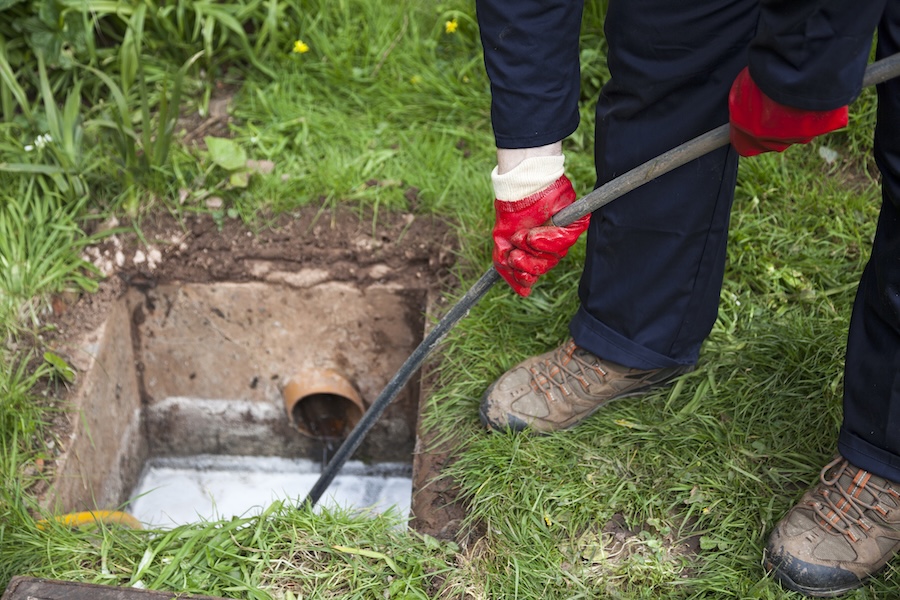
St. Augustine’s live oaks are part of the city’s character, but their roots go looking for water and find their way into small cracks and joints in old clay and cast iron sewer lines. Once inside, roots catch grease and debris and cause repeated backups. Snaking a line clears a path for a few months; hydro jetting cuts roots out and scours the pipe walls. A video camera inspection then shows whether the line can be kept in service or needs sewer line repair. For a closer comparison, see hydro jetting vs. drain snaking.
Flooding, King Tides and Backups
Low-lying parts of downtown and Davis Shores see flooding during nor’easters, hurricanes and king tides. When the ground is saturated, water can push back up through floor drains and low fixtures, and old sewer laterals let groundwater in. A backwater valve on the sewer line helps stop municipal sewage from backing into the home during a flood. Our hurricane plumbing preparation guide covers the other steps worth taking before storm season.
Repairing vs. Repiping an Older Home
Not every old pipe needs to be replaced. A camera inspection and a pressure test tell us what condition your system is really in. When the problem is limited to one section, a targeted pipe repair is usually the right call. When galvanized or polybutylene supply lines are failing throughout the home, whole-home repiping with PEX or copper ends the cycle of leaks and restores water pressure. Our PEX vs. copper guide explains the tradeoffs.
In older homes, we plan repiping to minimize openings in walls and floors and to protect original finishes wherever possible.
Working on Homes in the Historic District
Most plumbing work happens inside the home, but projects that change the exterior, such as new vents through the roof, exterior equipment or visible changes to the building, may need approval from the City of St. Augustine’s Historic Architectural Review Board (HARB). Check with the city before planning exterior changes on a historic property.
Cooling an Older Home Without Ductwork
Many older St. Augustine homes were built long before central air and have little room for ductwork. A ductless mini-split system can cool individual rooms efficiently with only a small line set running to the outdoor unit, avoiding the need to cut chases for ducts through plaster walls and original ceilings. Mini-splits also help control humidity, which protects older wood and plaster.
Frequently Asked Questions
How do I know what kind of pipes my St. Augustine home has?
Look at exposed pipes under sinks, near the water heater and in any crawl space. Gray-silver threaded pipe is usually galvanized, heavy black pipe is cast iron, and flexible gray pipe is often polybutylene. A plumber can confirm the materials and their condition with a quick inspection.
Is a camera inspection worth it before buying an older home?
Yes. A sewer camera inspection is one of the best investments when buying an older home. It shows root intrusion, cracks, sags and collapsed sections that a standard home inspection does not cover.
Do you offer emergency plumbing in St. Augustine?
Yes. Our technicians are based in St. Augustine and our emergency line is staffed 24/7. See our 24/7 emergency plumbing service or call (904) 392-7967.
Get Help With Your Older St. Augustine Home
Whether it is a slow main line, low water pressure or a home that has never had good air conditioning, PV Plumbing & Air can help you understand what you have and what is worth fixing. Call (904) 392-7967 to schedule service in St. Augustine.

Schedule your Worry-Free Service Today
Have the reliable plumbing pros at PV Plumbing service your home in Northeast Florida.