Proudly serving Ponte Vedra, FL. and Surrounding Areas

Is Your Water Pressure Too High? Signs You Need a Pressure Reducing Valve
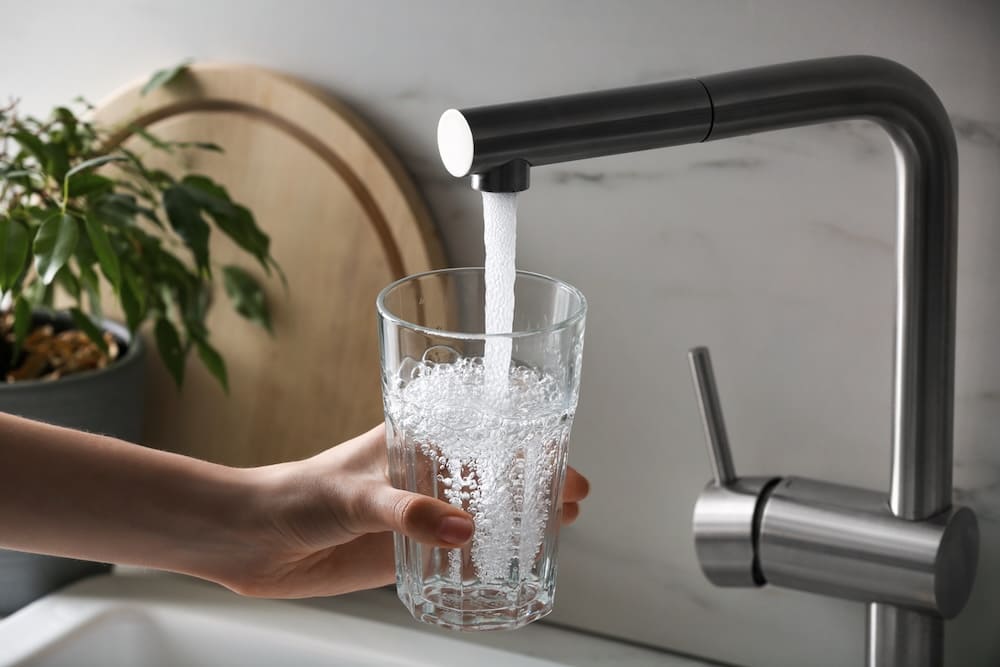
Everyone worries about low water pressure, but high water pressure is the quieter and more expensive problem. Too much pressure hammers your pipes, shortens the life of your water heater, and blows out appliance hoses, often without any obvious warning until something fails. For Northeast Florida homeowners, it is worth knowing whether your home is running too hot on pressure.
This guide is for homeowners in Ponte Vedra, Nocatee, Jacksonville, and St. Augustine who suspect their water pressure is too high or who keep replacing failed fixtures and appliances. We explain the warning signs, the ideal pressure range, and how a pressure reducing valve protects your whole plumbing system.
Key Takeaways
- Residential water pressure should sit between 40 and 60 psi. Anything above 80 psi is too high and can damage plumbing.
- Warning signs include banging pipes, running toilets, dripping faucets, short-lived water heaters, and burst appliance hoses.
- A pressure reducing valve, or PRV, automatically lowers incoming municipal pressure to a safe level.
- Testing your pressure takes five minutes with an inexpensive gauge from any hardware store.
What Counts as Too High?
The U.S. Department of Energy and most plumbing codes recommend household water pressure between 40 and 60 psi. Pressure above 80 psi violates many plumbing codes and puts continuous stress on every pipe, joint, valve, and appliance in the home.
Municipal water systems sometimes deliver water at 100 psi or more, especially for homes at lower elevations or near a pumping station, because the utility has to push water uphill and over long distances to the whole neighborhood. Your house takes whatever the main delivers unless a pressure reducing valve steps it down.
Warning Signs Your Water Pressure Is Too High
1. Banging or Hammering Pipes
That loud thud when you shut off a faucet quickly is called water hammer. While it has other causes, chronically high pressure makes it far worse and can loosen pipe joints over time.
2. Running or Leaking Toilets
Excess pressure forces water past fill valves and flappers, causing toilets to run. If you keep fixing a running toilet only for it to return, high pressure may be the root cause.
3. Faucets That Drip After You Shut Them Off
Dripping faucets and short-lived washers are often blamed on the fixture, but excessive pressure wears out seals and cartridges long before their time.
4. A Water Heater That Fails Early
High pressure strains the water heater tank and its temperature and pressure relief valve. If your relief valve weeps or your tank fails sooner than expected, pressure could be the hidden culprit. Our guide on signs your water heater needs replacing covers related symptoms.
5. Burst Washing Machine or Dishwasher Hoses
Appliance supply hoses are a leading source of catastrophic indoor flooding. Sustained high pressure makes a burst far more likely, and it usually happens when nobody is home.
Pro Tip: If your water shoots out forcefully enough to splash back out of the sink, that is not a luxury, it is a warning. Comfortable pressure should feel strong but controlled, not violent.
Ideal Pressure at a Glance
| Pressure Reading | What It Means |
|---|---|
| Below 40 psi | Too low, weak flow and slow fixtures |
| 40 to 60 psi | Ideal range for most homes |
| 60 to 80 psi | Acceptable but on the high side |
| Above 80 psi | Too high, install or check a PRV |
How to Test Your Water Pressure
You can check your own pressure in about five minutes.
- Buy a water pressure gauge with a standard hose thread fitting at any hardware store.
- Screw it onto an outdoor hose bib, ideally one closest to where the water line enters the home.
- Make sure no water is running elsewhere, then open the bib fully.
- Read the gauge. If it reads above 80 psi, your pressure is too high.
- For a fuller picture, check again at different times of day, since municipal pressure can spike overnight when demand drops.
If you are dealing with the opposite problem, our guide on low water pressure fixes may help instead.
How a Pressure Reducing Valve Protects Your Home
A pressure reducing valve is a bell-shaped fitting installed on the main water line where it enters your home, usually near the main shut-off. It automatically throttles incoming municipal pressure down to a safe, preset level, typically around 50 psi. Once installed and set, it works silently in the background to protect every fixture and appliance downstream.
Many newer Nocatee and St. Johns County homes have a PRV built in, but valves wear out over time and need adjustment or replacement, usually every 10 to 15 years. A failing PRV can actually cause pressure problems in either direction. PV Plumbing tests, adjusts, and replaces pressure reducing valves as part of our pipe repair services, and every job is backed by our 8-year craftsmanship guarantee.
Frequently Asked Questions
What is the ideal water pressure for a home?
Most experts and plumbing codes recommend 40 to 60 psi. Pressure above 80 psi is considered too high and can damage pipes, fixtures, and appliances over time.
Can high water pressure damage my water heater?
Yes. Excess pressure stresses the tank and forces the temperature and pressure relief valve to release, which can lead to leaks and premature failure. Keeping pressure in the recommended range extends water heater life.
How do I know if I have a pressure reducing valve?
Look for a bell-shaped brass fitting on the main water line where it enters the home, often near the main shut-off valve or in the garage. If you cannot find one and your pressure tests above 80 psi, you likely need one installed.
How long does a pressure reducing valve last?
A PRV typically lasts 10 to 15 years. When it starts to fail, you may notice pressure creeping up again or fluctuating. Have a plumber test and replace it as needed.
Conclusion
High water pressure is easy to ignore because it feels powerful and problem-free, right up until a hose bursts or a water heater fails years early. Testing your pressure with a five-dollar gauge and installing or servicing a pressure reducing valve are simple steps that protect your entire plumbing system from silent, ongoing damage.
If your Ponte Vedra or Jacksonville home has banging pipes, recurring leaks, or pressure above 80 psi, PV Plumbing can help. Contact us or call (904) 392-7967 to test your pressure and protect your home.


Schedule your Worry-Free Service Today
Have the reliable plumbing pros at PV Plumbing service your home in Northeast Florida.