Proudly serving Ponte Vedra, FL. and Surrounding Areas

Is Your Water Hard? The Jacksonville Homeowner’s Guide to Water Softeners
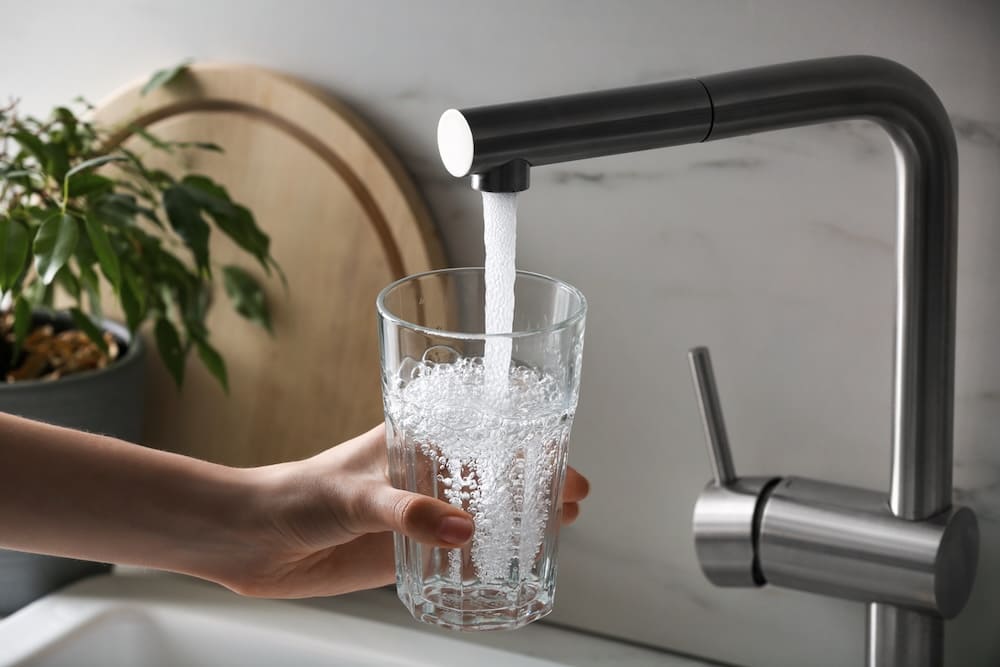
If you live in the Jacksonville area, there is a good chance hard water is quietly causing problems throughout your home right now.
Jacksonville and St. Johns County sit on top of some of the hardest water in Florida. We are talking 180 to 300+ parts per million, or roughly 14 to 28 grains per gallon. That is well above what the Water Quality Association considers “very hard.”
The result? Crusty faucets, dry skin, spotted dishes, and appliances that wear out years before they should.
In this guide, you will learn what hard water actually is, how it affects your Jacksonville home, and whether a water softener is the right solution. By the end, you will know exactly what to look for and what steps to take.
What Makes Jacksonville Water So Hard?
Water hardness comes down to minerals, mainly calcium and magnesium. As groundwater moves through Florida’s limestone bedrock, it picks up these dissolved minerals along the way.
Northeast Florida sits on an especially mineral-rich aquifer. That is why Jacksonville, Ponte Vedra, Nocatee, and St. Augustine all deal with hard water levels that rank among the highest on the east coast of the state.
How Hard Is Jacksonville’s Water, Exactly?
The numbers tell the story. JEA (Jacksonville’s utility provider) reports water hardness levels that typically fall between 14 and 28 grains per gallon (GPG). For context, here is how the Water Quality Association classifies hardness:
- 0-3.5 GPG: Soft water
- 3.5-7 GPG: Moderately hard
- 7-10.5 GPG: Hard
- 10.5+ GPG: Very hard
Jacksonville’s water is two to three times above the “very hard” threshold. That is not a small thing. It means mineral buildup happens faster, causes more damage, and shows up sooner than in most parts of the country.
If you are on well water in St. Johns County or Duval County, your levels could be even higher. Well water in Northeast Florida sometimes tests above 30 GPG.
Why Florida’s Geology Creates Hard Water
Florida does not have mountains or rocky terrain like other states. Instead, the entire peninsula sits on a massive limestone foundation. Limestone is made of calcium carbonate, and water dissolves it easily.
Rain soaks into the ground, passes through layers of limestone, and absorbs calcium and magnesium along the way. By the time it reaches your tap, those minerals are invisible but very much present.
This is not a contamination issue. Hard water is safe to drink. But what it does to your home’s plumbing, appliances, and fixtures over time is another story entirely.
7 Signs of Hard Water in Your Jacksonville Home
You do not need a lab test to spot hard water problems. Most homeowners notice the signs long before they realize the cause. Here are the most common ones we see in Ponte Vedra, Nocatee, and Jacksonville homes.
1. White Crusty Buildup on Faucets and Showerheads
That chalky white or yellowish scale around your fixtures is mineral deposit, also called limescale. It forms when hard water evaporates and leaves calcium behind. If you are constantly scrubbing it off, hard water is the reason.
2. Spots and Film on Glasses and Dishes
Glasses that come out of the dishwasher looking cloudy or spotted are a classic sign. Hard water minerals leave a residue that no amount of rinse aid fully solves.
3. Dry Skin and Dull Hair
Hard water makes it difficult for soap to lather and rinse cleanly. That filmy feeling after a shower is soap residue trapped on your skin by mineral deposits. Over time, this can cause dryness, irritation, and flat-looking hair.
4. Stiff, Dingy Laundry
Clothes washed in hard water often feel rough and look faded. Mineral deposits get trapped in fabric fibers, making towels scratchy and whites grayish over time.
5. Soap Scum Everywhere
That stubborn ring in the bathtub or haze on your glass shower doors comes from soap reacting with calcium and magnesium. In hard water areas like Jacksonville, soap scum builds up fast.
6. Low Water Pressure
Mineral scale gradually narrows the inside of your pipes, reducing water flow over time. If your water pressure has slowly dropped, hard water buildup could be restricting your plumbing.
7. Appliances Breaking Down Early
This is the big one. Hard water shortens the lifespan of water heaters, dishwashers, washing machines, and any appliance that heats or moves water. Scale buildup on heating elements forces them to work harder and fail sooner.
How Hard Water Damages Your Home (The Real Cost)
The signs above are annoying. But the real damage from hard water in Jacksonville happens where you cannot see it: inside your pipes, your water heater, and your appliances.
Impact on Your Water Heater
Hard water is the number one enemy of water heaters in Florida. As your water heater heats water, minerals separate out and settle at the bottom of the tank. Over time, this creates a thick layer of sediment.
That sediment forces your water heater to work harder, use more energy, and eventually fail. A water heater that should last 10 to 12 years in a soft water area might only last 6 to 8 years in Jacksonville without treatment.
Tankless water heaters are not immune either. Scale builds up on the heat exchanger and reduces efficiency. Regular flushing helps, but a water softener eliminates the root cause.
Impact on Plumbing and Pipes
Scale accumulation inside pipes is slow but relentless. Over years, it narrows pipe diameter, reduces flow, and creates spots where clogs form more easily. Homes in Ponte Vedra Beach and Nocatee that are 10 to 15 years old often show significant buildup.
Florida-Specific Damage You Might Not Expect
Hard water does not just affect what is inside your house. In Northeast Florida, it also impacts:
- Pool equipment: Scale builds up on pool heaters, pumps, and salt cells, increasing maintenance costs.
- Irrigation systems: Sprinkler heads and valves clog faster with mineral-heavy water.
- A/C units: Condensate lines and cooling systems that interact with hard water develop scale problems. Annual AC maintenance includes flushing the condensate line before buildup causes a leak.
- Outdoor fixtures: Hose bibs and outdoor showerheads at beach homes scale up quickly.
When you add it all up, untreated hard water can cost Jacksonville homeowners hundreds of dollars per year in extra energy bills, early appliance replacement, and additional cleaning products.
How a Water Softener Works (Plain English Explanation)
A water softener is not a filter. It does not remove contaminants or improve water safety. What it does is remove the calcium and magnesium minerals that make your water hard.
The Ion Exchange Process
Most water softeners use a process called ion exchange. Here is how it works in simple terms:
- Hard water enters the softener tank. The tank is filled with tiny resin beads that carry a sodium (salt) charge.
- Minerals swap places. As water passes through the resin, calcium and magnesium ions stick to the beads. In exchange, sodium ions release into the water.
- Soft water flows to your home. The water that comes out has had its hardness minerals replaced with a tiny amount of sodium.
- The system regenerates. Periodically, the softener flushes the resin beads with a salt brine solution. This washes away the trapped minerals and recharges the beads so the cycle can continue.
That is really all there is to it. The whole process happens automatically. You just need to keep the salt tank filled, which most homeowners do once a month.
Salt-Based vs. Salt-Free Systems: Which Is Right for You?
This is one of the most common questions we get at PV Plumbing & Air. Here is an honest comparison.
Salt-Based Water Softeners (Ion Exchange) – Actually remove hardness minerals from water – Proven, effective technology backed by decades of use – Eliminate scale buildup in pipes and appliances – Require salt refills (usually monthly) – Use a small amount of water during regeneration – Best for: Jacksonville homes with very hard water (which is most of them)
Salt-Free Water Conditioners (Template Assisted Crystallization) – Do NOT remove minerals from water – Change the structure of minerals so they are less likely to form scale – Do not provide the “soft water feel” (no slippery sensation) – No salt to buy or refill – No wastewater from regeneration – Best for: Homes with moderately hard water or homeowners who cannot use salt for health reasons
Here is the bottom line. With Jacksonville’s water hardness at 14 to 28 GPG, a salt-based system is what most homes need to actually solve the problem. Salt-free conditioners can help reduce scale, but they do not soften the water.
A qualified plumber can test your water and help you choose the right system for your home and your budget.
Benefits of Installing a Water Softener in Jacksonville
Once you address hard water at the source, the changes are noticeable almost immediately.
For Your Home
- Longer appliance lifespan. Water heaters, dishwashers, and washing machines last years longer without mineral buildup.
- Lower energy bills. A water heater free of scale operates up to 30% more efficiently.
- Better water pressure. No more gradual pressure loss from pipe scaling.
- Cleaner fixtures. Faucets, showerheads, and glass stay cleaner with far less effort.
- Fewer plumbing repairs. Less scale means fewer clogs and pipe problems.
For Your Family
- Softer skin and healthier hair. Soap and shampoo rinse completely, leaving no residue.
- Brighter, softer laundry. Clothes retain their color and softness longer.
- Sparkling dishes. No more cloudy glasses or spotted silverware.
- Less soap and detergent needed. Soft water lathers easily, so you use less product.
For Your Wallet
The U.S. Department of Energy estimates that scale buildup of just 1/16 of an inch on a water heater heating element can increase energy use by up to 11%. In a hard water area like Jacksonville, that buildup happens fast.
Most homeowners see a return on their water softener investment within two to four years through energy savings, fewer repairs, and longer appliance life.
Do I Need a Water Softener? A Quick Self-Assessment
Not sure whether your home needs a water softener? Ask yourself these questions:
Do you notice any of these in your home? – White scale on faucets, showerheads, or around drains – Spots on dishes after the dishwasher runs – Soap that does not lather well – Dry, itchy skin after showering – Stiff or dingy laundry – Water heater that seems less efficient than it used to be
Do any of these apply? – You live in Jacksonville, Ponte Vedra, Nocatee, St. Augustine, or anywhere in Duval or St. Johns County – You are on city water (JEA) or well water – Your home is more than five years old and has never had a softener
If you answered yes to even a couple of these, a professional water quality test is a smart next step. It takes just a few minutes and gives you exact hardness numbers for your home.
PV Plumbing & Air offers free water quality assessments for homeowners in the Jacksonville and Ponte Vedra area. We test your water, explain the results in plain language, and help you understand your options with zero pressure to buy.
Take the First Step: Find Out What Is in Your Water
Hard water is one of those problems that starts small and grows over time. The white spots on your faucet today could mean a failed water heater or corroded pipes a few years from now.
Key takeaways from this guide:
- Jacksonville and Northeast Florida have very hard water, measuring 14 to 28 GPG, which is two to three times the “very hard” classification.
- Hard water damages water heaters, shortens appliance lifespans, increases energy bills, and affects your skin, hair, and laundry.
- A salt-based water softener using ion exchange is the most effective solution for Jacksonville’s water hardness levels.
- The investment typically pays for itself within two to four years through energy savings and fewer repairs.
PV Plumbing & Air has been helping Jacksonville, Ponte Vedra, and Nocatee homeowners solve hard water problems for over 12 years. As a family-owned company with a 5.0 Google rating and more than 680 reviews, we take pride in giving you honest advice and quality work backed by our 8-year craftsmanship guarantee.
Wondering how hard your water really is? We offer free water quality assessments throughout Northeast Florida. Give us a call at (904) 392-7967 or contact us online to schedule yours. No pressure, no obligation. Just clear answers about your water and your options.

Schedule your Worry-Free Service Today
Have the reliable plumbing pros at PV Plumbing service your home in Northeast Florida.