Proudly serving Ponte Vedra, FL. and Surrounding Areas

Hydro Jetting vs. Drain Snaking: Which Do You Need?

When a drain is clogged, most Jacksonville homeowners just want it fixed. The how does not matter until you are sitting at the kitchen table looking at a plumber’s invoice with two options on it: drain snaking or hydro jetting. Suddenly the difference matters a lot, because one costs less and the other lasts longer.
Both methods clear clogs, but they work in completely different ways and they solve different problems. Picking the wrong method means paying twice when the clog comes back in three months. Picking the right one fixes your drain for years. Here is the honest comparison from PV Plumbing & Air’s team, based on the thousands of drain calls we have run across Ponte Vedra, Nocatee, Jacksonville, and St. Augustine.
How Each Drain Cleaning Method Works
The two methods are fundamentally different tools. Snaking is mechanical, hydro jetting is hydraulic. Each one has a job it does well and a job it does poorly. Understanding how they work makes the decision a lot easier.
What Drain Snaking Actually Does
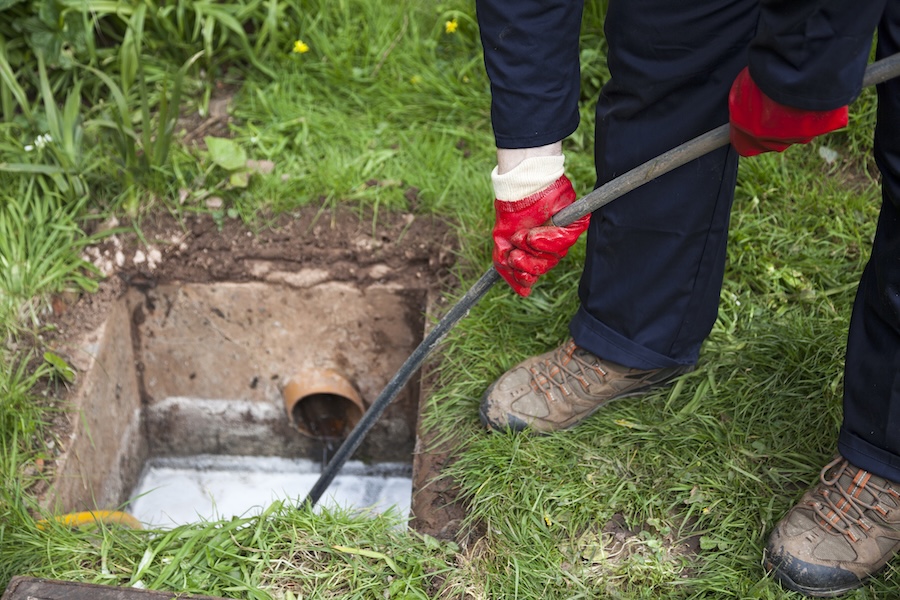
A drain snake (also called a drain auger or drain rooter) is a long, flexible metal cable with a cutting head on the end. The plumber feeds the cable down the drain, the head spins, and it punches through the clog or hooks onto debris and pulls it out.
Snaking is best for:
- Soft clogs from hair, food, or paper
- Single-fixture clogs in sinks, tubs, or toilets
- Bathroom drains, especially shower and tub lines
- Clogs you can feel are nearby (within 25 feet of the access point)
- Quick, lower-cost fixes when budget is a concern
Where snaking falls short: it punches a hole through the clog instead of cleaning the pipe. Imagine taking a stick and poking a hole through a stack of pancakes. Water flows again, but most of the clog is still there, ready to grab the next thing that washes down. That is why snaked drains often re-clog within a few months.
What Hydro Jetting Actually Does
Hydro jetting uses a high-pressure water hose with a specialized nozzle that shoots water at 1,500 to 4,000 PSI in multiple directions. The forward jets break up the clog while the backward jets pull the hose deeper into the line and scour the pipe walls clean.
Hydro jetting is best for:
- Grease buildup in kitchen drains
- Mineral scale from Florida hard water
- Tree root intrusion in main sewer lines
- Recurring clogs that snaking does not solve
- Pre-camera-inspection cleaning
- Restoring full pipe diameter, not just a clear path through the middle
Where hydro jetting falls short: it costs more, takes longer, and is not always necessary. Old, fragile, or damaged pipes (especially clay or cast iron in older Jacksonville homes) sometimes cannot handle the pressure and need an alternative approach.
Side-by-Side Comparison
When we sit down with a Northeast Florida homeowner trying to decide between the two methods, the conversation usually focuses on a handful of practical factors.
Effectiveness
Snaking clears the clog in front of it. Hydro jetting cleans the entire pipe.
For a one-time bathroom sink clog, snaking is plenty. For a kitchen drain that has been backing up for two years, hydro jetting actually solves the problem instead of just delaying it.
Cost
Drain snaking is significantly cheaper. A typical residential snake job runs a few hundred dollars. Hydro jetting costs two to four times more because it requires specialized equipment, more labor time, and a more skilled technician.
The trick is thinking about cost over time. If snaking lasts six months and hydro jetting lasts four years, the math often favors hydro jetting for recurring problems.
Pipe Safety
Snaking is gentle on pipes when done correctly. Hydro jetting is also safe for pipes in good condition (PVC, modern PEX-connected drainage, copper). For old galvanized pipes, brittle clay tile, or corroded cast iron, a camera inspection should come first to confirm hydro jetting is appropriate.
How Long Each Job Takes
A typical snake job takes 30 to 60 minutes per fixture. Hydro jetting takes 1 to 3 hours depending on the line length and clog severity. Hydro jetting also requires more setup time and access to a water source.
What Each Removes
Snaking pulls out: hair clumps, food chunks, soap scum on the cable, paper products, small foreign objects.
Hydro jetting pulls out: everything snaking does, plus grease coating, mineral scale (a big deal with Jacksonville’s hard water), tree roots, decade-old buildup, and biofilm. According to the EPA, grease and mineral buildup are the leading causes of recurring sewer line failures in residential systems.
When to Choose Snaking
Snaking is the right call for most everyday clogs. Pick snaking when:
- The clog is in a single bathroom fixture
- This is the first time the drain has clogged
- You can hear the clog gurgling close to the fixture
- The home is older and pipes may be fragile (after a camera check)
- You need a fast, lower-cost fix
We snake hundreds of drains a year for Ponte Vedra and Jacksonville homeowners. For a typical hair clog in a shower drain, it is the right tool every time.
When to Choose Hydro Jetting
Hydro jetting is the right call when snaking will not solve the actual problem. Pick hydro jetting when:
- The same drain has clogged more than twice in a year
- The kitchen sink is slow and grease is the likely cause
- The main sewer line is backing up
- You suspect tree roots (common in older Jacksonville and St. Augustine yards)
- A camera inspection shows mineral or grease coating the pipe walls
- You are buying or selling a home and want a thorough drain cleaning
- You want to reset your drain system to “like new” condition
For Florida homes with hard water, hydro jetting every three to five years on the main line is one of the smartest preventive plumbing investments you can make.
How Florida Conditions Affect the Choice
Northeast Florida has a few quirks that change the snaking-versus-jetting decision in ways homeowners in other regions do not face.
Hard Water Mineral Buildup
Jacksonville water runs 14 to 28 grains per gallon of hardness, among the hardest in the state. Over the years, calcium and magnesium scale build up inside drain pipes the same way they do inside water heaters. Snaking cannot remove this scale. Only hydro jetting can.
If your home is more than 10 years old and you have never softened the water, your drains likely have measurable scale. A water softener slows future buildup. Our guide on hard water and water softeners in Jacksonville explains the local water situation in detail.
Tree Roots
Mature oaks, magnolias, and palms are everywhere in Northeast Florida, and their roots love sewer line cracks. Roots cannot be snaked away permanently. A snake cuts them, they grow back. Hydro jetting with a root-cutting nozzle clears them and scours the line, which buys you years of clearance.
Grease in the Drain
Florida cooking habits (lots of seafood, frequent frying) put more grease into kitchen drains than in some other regions. Combined with hot, humid pipe conditions that keep grease semi-liquid, this creates persistent kitchen line clogs that snaking just pushes around.
What to Expect During Each Service
A typical PV Plumbing & Air drain service starts with a quick conversation about the symptoms, the age of the home, and any prior drain work. We then inspect, often with a camera for main lines, and recommend the right method. If your situation falls between the two methods, we say so honestly and explain the tradeoffs.
After the service, we test multiple fixtures to make sure flow is fully restored. Hydro jetting jobs often include a follow-up camera inspection to confirm the pipe is clean.
If you are dealing with a more urgent issue, our water heater leaking emergency guide covers what to do until help arrives. And homeowners thinking about long-term plumbing care can read our water heater maintenance guide for tips that complement drain care.
Common Questions About Hydro Jetting vs. Snaking (FAQ)
Q: Is hydro jetting worth the extra cost? A: For recurring clogs, grease, scale, or tree roots, yes. The clog stays gone longer, often for years. For a one-time hair clog or simple bathroom sink clog, snaking is the smarter choice and we will tell you so.
Q: Can hydro jetting damage my pipes? A: Modern PVC, copper, and PEX-connected drainage systems handle hydro jetting safely. Old galvanized, fragile clay tile, or heavily corroded cast iron may need a camera inspection first. We always check pipe condition before jetting an older home in Jacksonville or St. Augustine.
Q: How often should drains be hydro jetted? A: For homes on a maintenance schedule, every 3 to 5 years for the main sewer line is reasonable in Florida. Homes with mature trees, hard water, and a history of clogs benefit from more frequent service. Homes with newer plumbing and a water softener can go longer.
Q: Will snaking fix a tree root clog permanently? A: No. Snaking cuts the visible roots, but the root mass continues to grow back through the same crack. Hydro jetting with a root-cutting nozzle clears more thoroughly, but a permanent fix usually requires repairing the pipe section where roots are entering.
Q: How do I know if I have grease buildup or hard water scale? A: Symptoms overlap. Slow drains, recurring clogs, and gurgling are signs of either. A video camera inspection is the only way to know for sure, and it is a service we include with most hydro jetting jobs.
Conclusion
Hydro jetting versus drain snaking is not a question of which one is better. It is a question of which one matches your specific drain problem. Snaking handles everyday soft clogs at a lower price. Hydro jetting solves recurring problems, removes grease and scale, and clears tree roots in ways snaking cannot.
Key takeaways:
- Snaking punches a hole through clogs; hydro jetting cleans the pipe wall
- Choose snaking for one-time bathroom clogs and single-fixture issues
- Choose hydro jetting for recurring kitchen clogs, grease, scale, and roots
- Florida hard water and mature trees often push the decision toward hydro jetting
- A camera inspection on older pipes determines which method is safe
Not sure which drain cleaning method fits your Jacksonville, Ponte Vedra, or Nocatee home? Call PV Plumbing & Air at (904) 392-7967 for a free, honest assessment. We will inspect the line, explain your options, and recommend the right method, all backed by our 8-year craftsmanship guarantee.
Schedule your Worry-Free Service Today
Have the reliable plumbing pros at PV Plumbing service your home in Northeast Florida.