Proudly serving Ponte Vedra, FL. and Surrounding Areas

Hurricane Plumbing Preparation: Northeast Florida Guide

Hurricane season in Northeast Florida runs from June 1 through November 30, and every year a few storms remind Ponte Vedra, Nocatee, Jacksonville, and St. Augustine homeowners how quickly weather can take down a home’s most basic systems. Most folks remember to fill the gas tank, board the windows, and stock up on water. Plumbing usually gets forgotten until something goes wrong.
That is a costly mistake. Hurricane plumbing preparation protects your water heater, pipes, sewer line, and irrigation system from storm damage that can cost thousands to repair. The good news is that most of the prep work takes one Saturday afternoon and a few simple tools. Here is the full Northeast Florida checklist we walk our PV Plumbing & Air customers through every spring.
Why Hurricane Plumbing Prep Matters in Northeast Florida
Storms hit our area’s plumbing harder than most people realize. Heavy rain overloads sewer lines and floods low spots. Power outages knock out well pumps, electric water heaters, and sump systems. Storm surge pushes salt water into pipes and septic systems near the coast. Falling trees crush outdoor plumbing fixtures and irrigation lines.
A little preparation goes a long way. The Federal Emergency Management Agency notes that flood damage averages over $25,000 per claim, and a meaningful share of that comes through plumbing failures. A two-hour prep checklist can save you a five-figure repair bill and a week of cold showers.
Know Your Shut-Off Valves
The single most important hurricane prep task is finding and testing your main water shut-off. If a pipe bursts during the storm, you need to stop the water flow before it floods your home.
In most Jacksonville and Ponte Vedra homes, the main shut-off is in one of three places:
- Inside the garage near the water heater
- In a ground-level box near the front of the house (often labeled “water meter”)
- On an exterior wall, usually on the side facing the street
Turn the valve clockwise to close it. If it is stuck, frozen with corrosion, or leaks when you touch it, call a plumber to replace it before the next storm. A failed shut-off during a hurricane is a worst-case scenario.
Inspect and Service Your Water Heater
Garage water heaters are common in Florida and especially vulnerable during storms. Heat, humidity, and salt air corrode tank exteriors faster than anyone expects. Before hurricane season:
- Look around the base of the tank for rust, water stains, or pooling
- Check the temperature and pressure relief valve for drips
- Test the shut-off valves on the cold water line and gas line (if applicable)
- Strap the tank to the wall studs (required by Florida code in many areas)
If your water heater is more than 8 years old, hurricane season is a good time to assess whether it can handle another storm year. Our guide on signs your water heater needs replacing walks through the warning signs to watch for.
Outside the Home: Storm-Proofing Outdoor Plumbing
Most hurricane plumbing damage happens outside. Wind and falling debris destroy exposed fixtures, and floodwater backs up sewer lines through outdoor cleanouts.
Secure Outdoor Faucets and Hoses
Disconnect every garden hose and store it in the garage. A hose left attached during high winds can rip the bib off the wall and start a leak inside the exterior wall, which often goes unnoticed until water damage shows up days later.
Cover hose bibs with insulated foam covers if you have them. They protect against flying debris and add a little impact resistance. Also turn off any irrigation system at the controller so a damaged sprinkler head does not run for hours after the storm.
Protect Pool Equipment and Outdoor Showers
Pool pumps, salt cells, and outdoor showers all use plumbing connections that can fail during a storm. Bring loose pool equipment inside if you can. For outdoor showers, shut off the dedicated water supply at the valve and drain the line.
If you have a backflow preventer for irrigation or pool fill, check that it is bolted to the slab and the cover is secure. Storm surge or flooding can lift these units and break the connections, contaminating your home’s water supply.
Clear Storm Drains and Gutters
This one is not technically plumbing, but blocked gutters and storm drains push water toward your foundation, where it can find its way into crawl spaces, slab cracks, or basement areas (rare in Northeast Florida, but they exist). Clear gutters, downspouts, and any storm drains on your property before the storm.
According to Ready.gov, proper drainage is one of the top three things homeowners can do to reduce flood damage during a tropical system.
Sewer and Drain Protection
Heavy rain and storm surge can push raw sewage back through your home’s drains. This is one of the worst hurricane plumbing failures to clean up, and it is largely preventable.
Consider a Backwater Valve
A backwater valve installs in your main sewer line and only allows wastewater to flow out, not back in. If the municipal sewer system overflows during a storm, the valve seals shut and protects your home. We install these year-round, but spring is the smart time to add one.
If your home is in a low-lying area near the St. Johns River, the Intracoastal, or any tidal waterway, a backwater valve is one of the highest-value plumbing upgrades you can make.
Run a Drain Inspection Before Storm Season
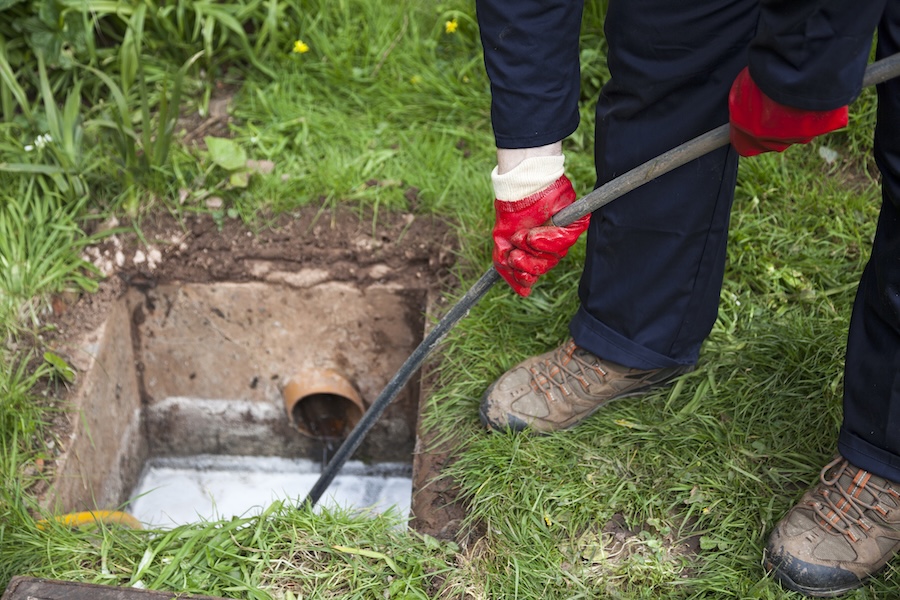
Slow drains, gurgling toilets, and recurring clogs are signs that your main sewer line is partially blocked. A partial block becomes a full block fast when storm rain hits. We recommend a video inspection or a hydro jetting service every two to three years for homes with mature trees, older pipes, or a history of clogs.
Plug Floor Drains and Cleanouts
If a hurricane is forecast to bring serious flooding, plug your basement floor drains, garage floor drains, and accessible sewer cleanouts with rubber test plugs. They are inexpensive and they slow down sewer backup if the line surcharges.
Power Outage Plumbing Considerations
Northeast Florida loses power regularly during hurricanes. That affects plumbing in ways homeowners do not always expect.
Electric Water Heaters
If the power goes out, an electric tank water heater stops heating but the water inside stays warm for 24 to 48 hours. Do not run the dishwasher or laundry to “use it up.” Save it for showers, hand washing, and basic cooking.
Tankless Water Heaters
Both gas and electric tankless units need power to run the control board and igniter. A whole-home generator or portable backup is the only way to keep one running during an outage. If you rely on a tankless unit, this is worth planning for.
Well Pumps and Sump Pumps
If your home is on a private well (common in some St. Johns County and Nocatee-area properties), a power outage means no water at all. A backup generator or a pressure tank with extended capacity helps bridge the gap.
After the Storm: What to Check First
Once the storm passes and it is safe to inspect:
- Check for visible leaks at the water heater, under sinks, and at exterior hose bibs
- Run cold water in every faucet for 30 seconds to flush out any sediment
- Smell the air around drains for sewer gas (a sign of a damaged trap or vent)
- Look at your water meter with all fixtures off; if the dial is moving, you have a leak
- Test toilets for proper flushing and refill
- Check the outdoor AC unit for debris or flood damage before turning it back on. If it was underwater or will not cool, call for emergency AC repair instead of running it.
If anything looks off, do not wait. Hidden leaks turn into mold problems within 24 to 48 hours in Florida humidity. Our water heater leaking emergency guide covers what to do if you find water around your tank after a storm.
Common Questions About Hurricane Plumbing Preparation (FAQ)
Q: Should I turn off the water main before a hurricane? A: Only if a serious storm with flooding is forecast or if you are evacuating. For a typical tropical storm, leave the water on but make sure you know where the shut-off is and that it works. If you evacuate, shut off the main and the water heater.
Q: Should I turn off my water heater during a hurricane? A: For a gas tank, turn the gas valve to “pilot” or off. For an electric tank, switch the breaker off if flooding is possible. For tankless units, shut off the dedicated breaker. This protects the unit from power surges and prevents damage if the supply lines are compromised.
Q: What is a backwater valve and do I need one in Northeast Florida? A: A backwater valve is a one-way valve in your main sewer line that prevents sewage backflow during heavy rain or storm surge. Homes in low-lying or coastal areas of Jacksonville, Ponte Vedra, and St. Augustine benefit most. We can assess your property and recommend whether one makes sense.
Q: How do I prevent pipes from breaking during a hurricane? A: Most hurricane pipe breaks happen outside (broken hose bibs, sheared irrigation lines, damaged pool plumbing). Disconnect hoses, shut off irrigation, secure outdoor fixtures, and trim tree limbs that could fall on exterior plumbing. Indoor pipes rarely break during Florida hurricanes.
Q: What plumbing should I check after a hurricane? A: Inspect your water heater, run every faucet for 30 seconds, check under sinks for new leaks, watch the water meter for hidden leaks, and test toilets for proper flushing. Smell drains for sewer gas. If anything is unusual, call a plumber the same day.
Conclusion
Hurricane plumbing preparation is one of the highest-return home prep tasks you can do before storm season. A few hours of work protects your water heater, pipes, drains, and outdoor fixtures from damage that can run into the thousands. Northeast Florida’s combination of heat, humidity, salt air, and storm surge makes prep especially important here.
Key takeaways for hurricane plumbing prep:
- Find and test your main water shut-off before the season starts
- Inspect and service your water heater, especially if it lives in the garage
- Disconnect hoses, secure outdoor fixtures, and shut off irrigation
- Consider a backwater valve if you are in a flood-prone area
- Plan for power outages with backup options for water heaters and well pumps
Ready to get your Jacksonville, Ponte Vedra, or Nocatee home storm-ready? Call PV Plumbing & Air at (904) 392-7967 for a free pre-hurricane plumbing inspection. Our family-owned team has been protecting Northeast Florida homes for over a decade, and every install is backed by our 8-year craftsmanship guarantee.

Schedule your Worry-Free Service Today
Have the reliable plumbing pros at PV Plumbing service your home in Northeast Florida.