Proudly serving Ponte Vedra, FL. and Surrounding Areas

Gas vs. Electric Water Heater: Which Is Right for Your Jacksonville Home?
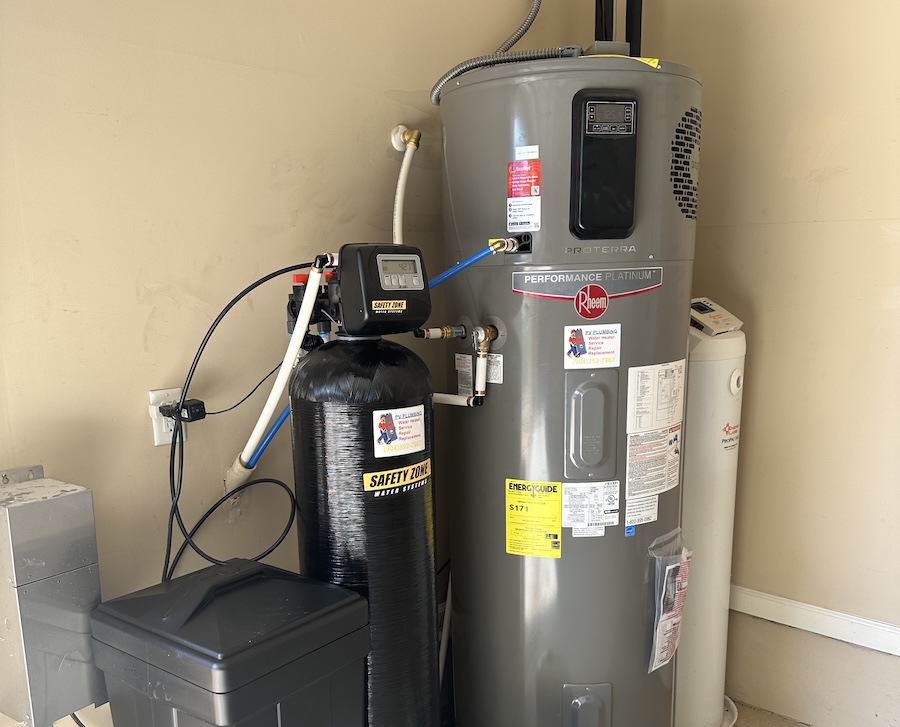
When your old water heater finally quits, the first fork in the road is not the brand. It is the fuel source. Choosing a gas vs. electric water heater shapes your monthly utility bill, how fast the tank reheats after a long shower, and even where the unit can legally be installed in your Northeast Florida home.
This guide is written for homeowners in Ponte Vedra, Nocatee, Jacksonville, and St. Augustine who are replacing a failed unit or planning new construction. We break down the real differences in cost, efficiency, recovery speed, and safety so you can walk into a replacement decision already knowing which direction fits your house.
Key Takeaways
- Electric water heaters cost less to buy and install, run safely in more locations, and suit homes without an existing gas line.
- Gas water heaters reheat water roughly twice as fast and usually cost less per month to operate where natural gas is available.
- Your existing hookup matters most. Converting from electric to gas can add significant cost for a new gas line and venting.
- Both fuel types are available in tank and tankless models, and both benefit from Florida’s hard water maintenance schedule.
The Short Answer
For most Jacksonville homeowners replacing a like-for-like unit, staying with your current fuel source is the simplest and least expensive path. Choose electric if your home has no gas service, if you want a lower upfront price, or if you are installing in an interior closet. Choose gas if you already have a gas line, if your household drains hot water quickly, or if you want lower long-term operating costs.
How Gas and Electric Water Heaters Differ
A conventional water heater stores 40 to 80 gallons of water and keeps it hot until you need it. The difference is how that water gets heated.
An electric unit uses one or two heating elements submerged in the tank. A gas unit burns natural gas or propane under the tank and vents exhaust through a flue. That single design difference drives every other trade-off below.
Upfront and Installation Cost
Electric models are almost always cheaper to purchase, and installation is simpler because there is no combustion venting to run. A comparable gas unit costs more up front, and if your home has never had gas, you are also paying for a new gas line and vent.
For a detailed local breakdown, see our water heater replacement cost guide for Jacksonville.
Monthly Operating Cost
Natural gas is typically cheaper per unit of heat than electricity in areas where gas service is available, so a gas water heater often costs less to run each month. The exact gap depends on local utility rates from JEA and your gas provider. The U.S. Department of Energy notes that fuel type and the unit’s efficiency rating are the two biggest levers on lifetime operating cost, per Energy.gov’s water heater guidance.
Recovery Speed
Recovery is how fast a water heater reheats a drained tank. Gas units recover roughly twice as fast as electric ones of the same size. For a busy household with back-to-back morning showers, that faster recovery can mean the difference between a warm shower and a cold surprise.
Pro Tip: If you constantly run out of hot water, upsizing the tank is not always the answer. A faster-recovering gas unit, or a tankless water heater, often solves the problem more efficiently.
Safety and Installation Location
Gas units require proper combustion air and venting, which limits where they can go and adds a small carbon monoxide risk if venting fails. Electric units have no combustion byproducts, so they can be installed in tighter interior spaces such as a bedroom closet or utility room. In many Nocatee and St. Johns County homes, water heaters live in the garage, where either fuel type works with correct clearances.
Gas vs. Electric Water Heater Comparison Table
| Factor | Electric | Gas |
|---|---|---|
| Upfront cost | Lower | Higher |
| Installation complexity | Simpler | Needs venting and gas line |
| Monthly operating cost | Higher | Usually lower |
| Recovery speed | Slower | About 2x faster |
| Works during a power outage | No | Some models, if not electronic-ignition |
| Install location flexibility | High | Limited by venting |
Which Should Jacksonville and Ponte Vedra Homeowners Choose?
Your decision usually comes down to three questions.
- What do you have now? Replacing electric with electric, or gas with gas, avoids costly conversions.
- How much hot water does your household use? Larger families and homes with soaking tubs benefit from gas recovery speed or a tankless upgrade.
- What is your budget priority? Lower purchase price points to electric. Lower monthly bills point to gas.
Whichever fuel you choose, Florida’s hard water shortens tank life by accelerating sediment buildup, so an annual flush matters here more than in soft-water regions. Our water heater maintenance guide walks through the schedule.
As an authorized Rheem, Rinnai, and AO Smith provider, PV Plumbing installs and services both gas and electric units across Ponte Vedra Beach, Nocatee, and greater Jacksonville. Every installation is backed by our 8-year craftsmanship guarantee.
Frequently Asked Questions
Is a gas or electric water heater cheaper to run in Florida?
Where natural gas service is available, a gas water heater usually costs less per month to operate because gas is typically cheaper per unit of heat than electricity. Electric units cost less to buy but more to run over their lifespan.
Can I switch from an electric to a gas water heater?
Yes, but it involves more than swapping the tank. You need a gas line to the unit, proper combustion venting, and code-compliant clearances. That added labor and materials often make conversion worthwhile only during a remodel or new construction.
Which lasts longer, gas or electric?
Both tank-style water heaters typically last 8 to 12 years. Lifespan depends far more on water quality and maintenance than fuel type. In Northeast Florida’s hard water, annual flushing and anode rod checks matter for either unit.
Do gas water heaters work during a power outage?
Some standing-pilot gas models can produce hot water without electricity, but most modern units with electronic ignition need power to operate. Electric units do not work during an outage at all.
Conclusion
The gas vs. electric water heater question rarely has a single right answer. Electric wins on upfront price and install flexibility, while gas wins on recovery speed and monthly operating cost. For most Northeast Florida homeowners, matching your existing fuel source is the practical starting point, then choosing the efficiency level that fits your household size.
Not sure which unit fits your home? PV Plumbing offers free, no-pressure water heater estimates for Ponte Vedra, Nocatee, and Jacksonville homeowners. Contact us or call (904) 392-7967 to talk it through with a specialist.

Schedule your Worry-Free Service Today
Have the reliable plumbing pros at PV Plumbing service your home in Northeast Florida.